Dave's Hot Chicken Academy Dave's Hot Chicken Academy
Night wall of torn paste-up posters under a single streetlight
Open recipes — cook one tonight

Free recipes from the Dave's Hot Chicken Academy kitchen

Three recipes we teach in full inside the course, posted here in the open: classic crispy strips, a chili-mayo you can make in ten minutes, and a marinade that keeps tenders juicy under high heat. Start with any of them — they are the same method, just further along.

How to use this page

Read, shop, cook, then adjust

Each recipe below lists what to buy, what to prep first, and where most home cooks lose the crust. None of them need a deep fryer you have to buy specially — a heavy pot with two inches of oil and a thermometer works. The course goes deeper on heat levels and plating, but these three are complete on their own.

  • Pick one recipe and cook it before you read the next.
  • Keep the oil between 350°F and 365°F and the crust stops drinking grease.
  • Season the flour, not the finished crust — heat wakes the spice up.

Three recipes, posted in full

No email gate, no trimmed-down teaser version. Measurements are for four people; scale the flour and buttermilk together if you are cooking for more.

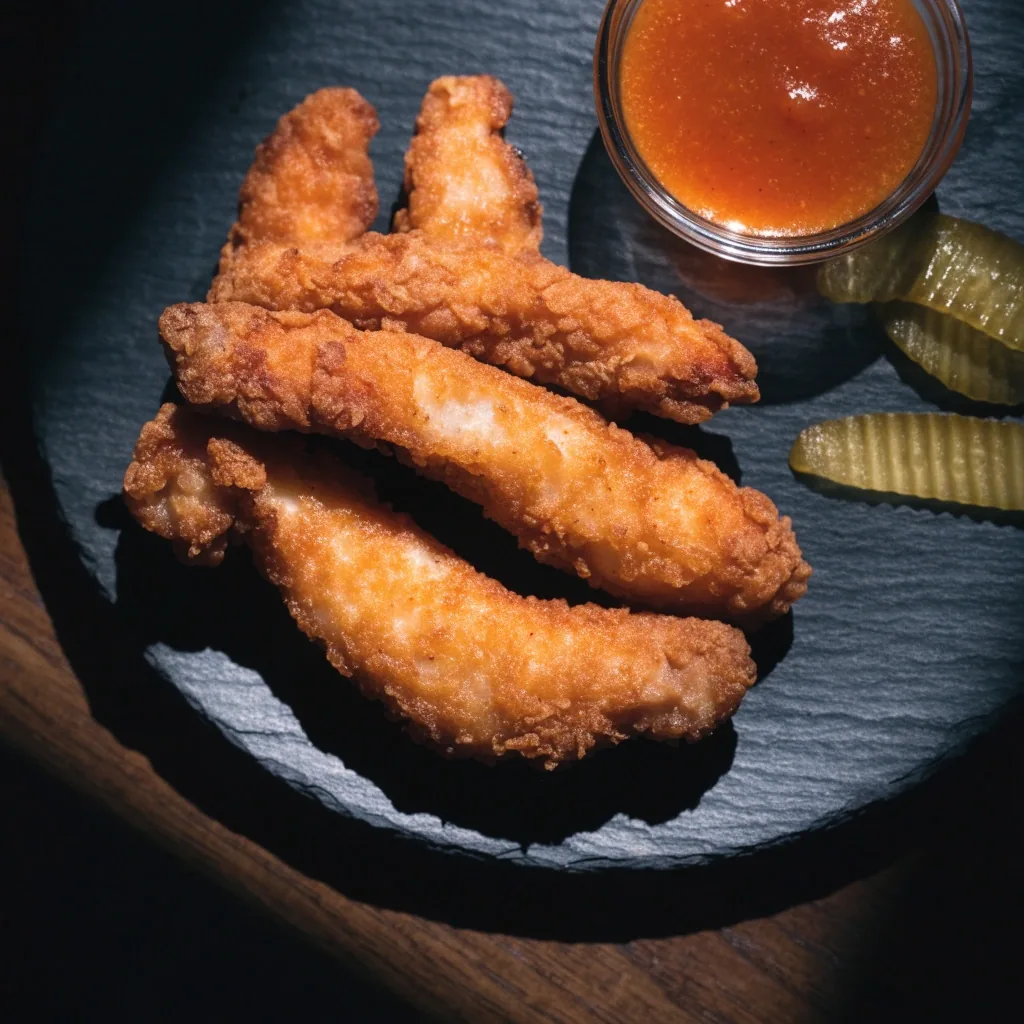
Crispy fried chicken strips plated with pickles and chili sauce

Start here

Classic crispy strips recipe

The base recipe everything else builds on. A buttermilk soak, a seasoned flour dredge pressed on twice, and a hard fry at 360°F. The double dredge is what makes the crust stay on when you bite instead of sliding off with the first crunch.

You need
1.5 lb chicken tenders, 2 cups flour, 1 cup buttermilk, 1 egg, 2 tsp smoked paprika
Timing
20 minutes marinating, 12 minutes frying in batches
Oil temperature
350–365°F, checked with an instant-read thermometer
Where it goes wrong
Cold chicken into hot oil drops the temperature and steams the crust

Step-by-step photos and the full fry schedule live in the course, along with the three sauces we serve these with.
Jar of homemade chili mayonnaise with a spoon lifting a drip

Homemade chili-mayo

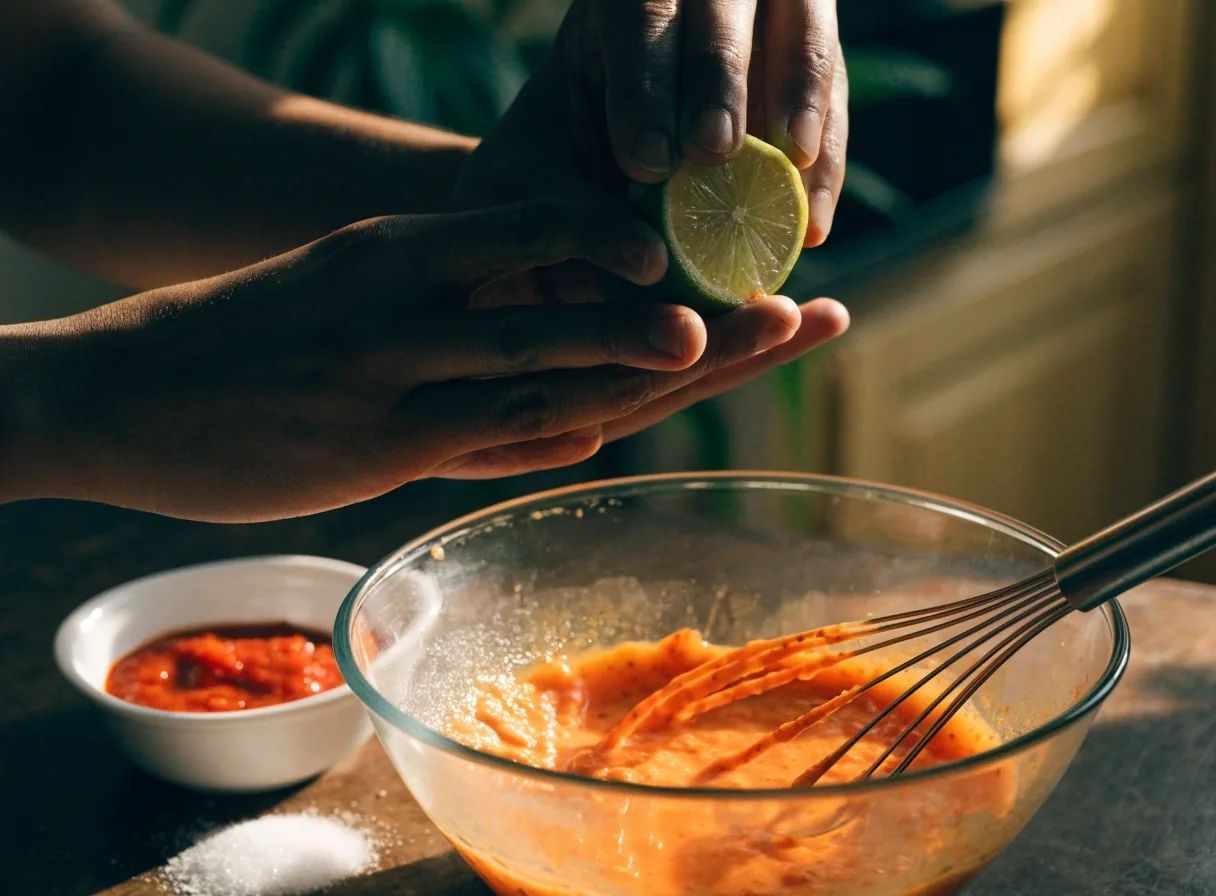
Mayo, chili paste, a squeeze of lime, a pinch of sugar to round the heat off. Ten minutes and it keeps for a week in the fridge.

Bowl of buttermilk marinade with a whisk resting in it

Juicy marinade base

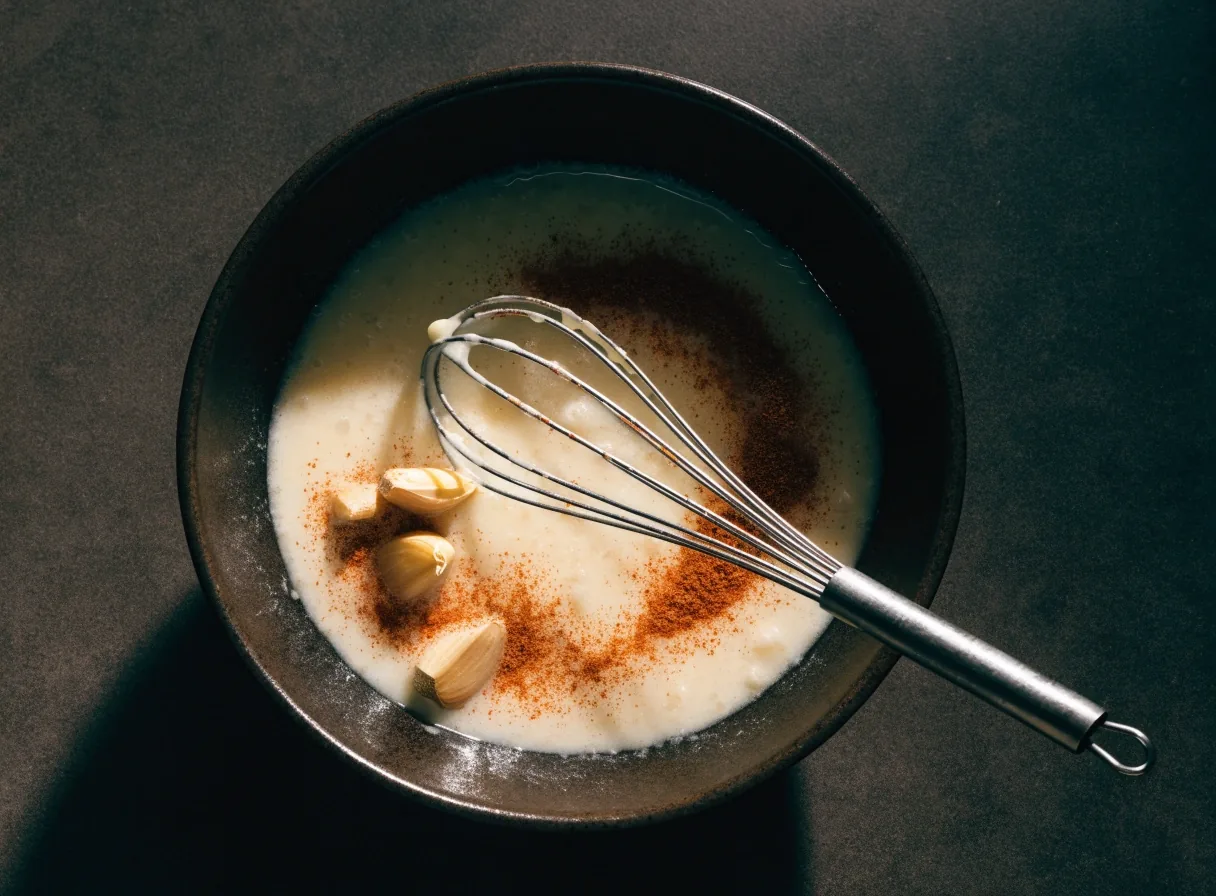
Buttermilk, garlic, salt, and a spoon of the chili paste you already made. This is the step people skip and then wonder why the chicken tastes dry.

Before you start

What to buy and what you already own

You do not need a restaurant setup. You need a thermometer, a heavy pot, and enough counter space to lay out three bowls in a line.

Item Why it matters Skip it if
Instant-read thermometer Oil within ten degrees is the difference between a crisp shell and a greasy one Never — this is the one tool that changes the result
Cast-iron or heavy pot Holds temperature when cold chicken goes in You already own a deep saucepan that takes two inches of oil
Wire rack over a sheet pan Drains the strips without steaming the underside You have a plate lined with paper towels and eat within five minutes
Standing deep fryer Convenient for big batches, but a pot does the same job You cook for four or fewer and have counter space for a pot
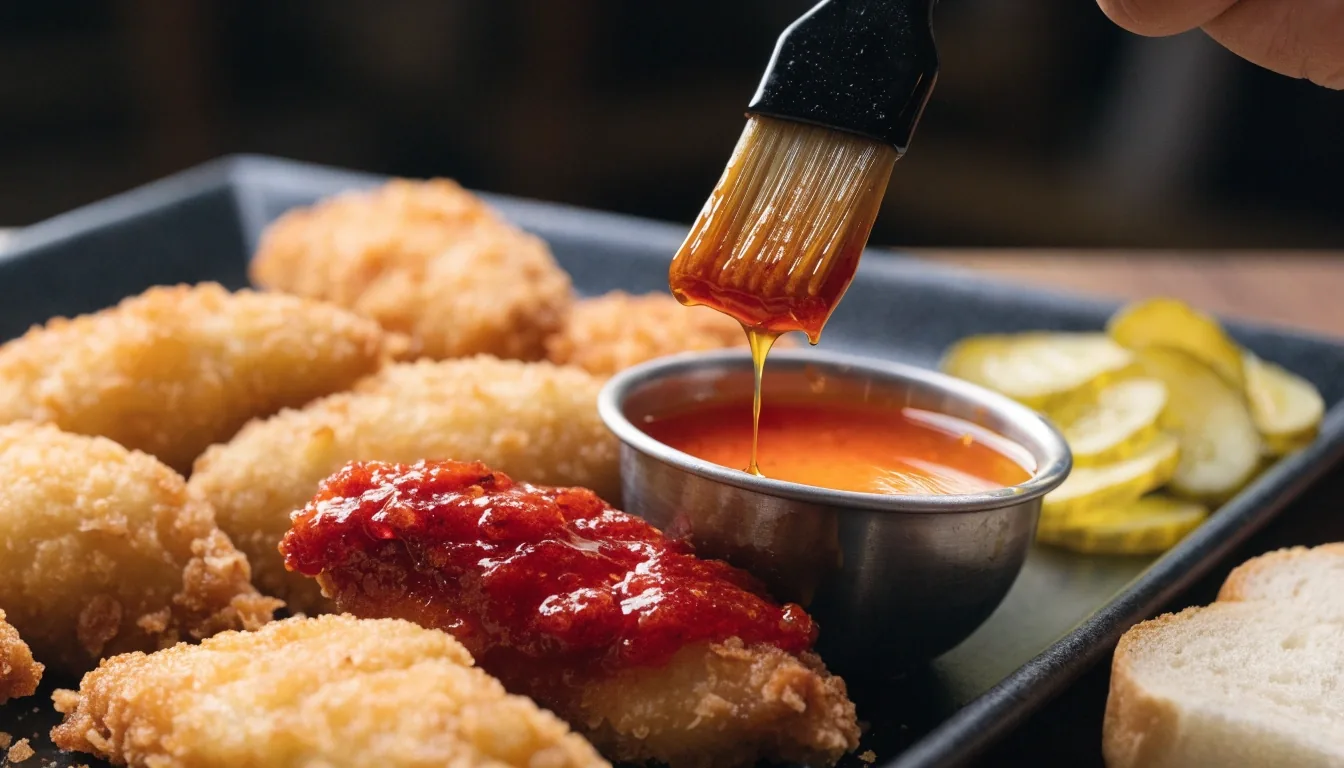
Five fried chicken tenders plated with increasing amounts of chili glaze

Heat is a dial, not a dare

The same dredge and the same fry time carry every level. What changes is how much chili oil goes into the coating and whether the finishing glaze hits the crust hot or cold. Here is how the five levels land on the tongue.

Mild

Warm paprika, a tingle on the lips, no burn at the back of the throat. Safe for kids and for anyone who thinks they dislike spicy food.

Medium

A steady heat that builds through the bite. You reach for a drink, but you keep eating. This is where most first-timers stop.

Hot

Heat lands fast and sits on the roof of your mouth. Pickles and white bread stop being garnish and start being medicine.

Extra hot

Sharp, dry heat at the back of the throat. Your nose runs. The flavor underneath still reads if the spice is toasted properly.

Reaper

Built on Carolina Reaper and a long chili oil steep. It arrives a few seconds after the bite and stays a while. Signed-up students get the safety notes and the milk-bread trick with it.

Where these free recipes stop and the course picks up

The three recipes above get you a good plate tonight. These are the four things we spend the most time on inside the course, because they are the ones home cooks get wrong when they try to cook restaurant-style hot chicken at home.

Choosing and trimming the bird

Tender size decides fry time. We show how to pick a package that will cook evenly and how to trim the white tendon so it does not curl the strip in the oil.

Dredge and breading secrets

How to press the flour on so it stays, why some cooks add a spoon of the marinade back into the dredge, and how to keep the coating from going pale halfway through the batch.

Working the spice and the heat levels

Toasting chili before it goes into the oil, how much heat to add at the dredge versus the glaze, and how to dial a batch up or down once you know who is eating.

Fryer, pot, or pan setup

Batch sizes that keep the oil hot, where to stand the thermometer, and how to finish a batch in a low oven without softening the crust you just built.

Open the full program
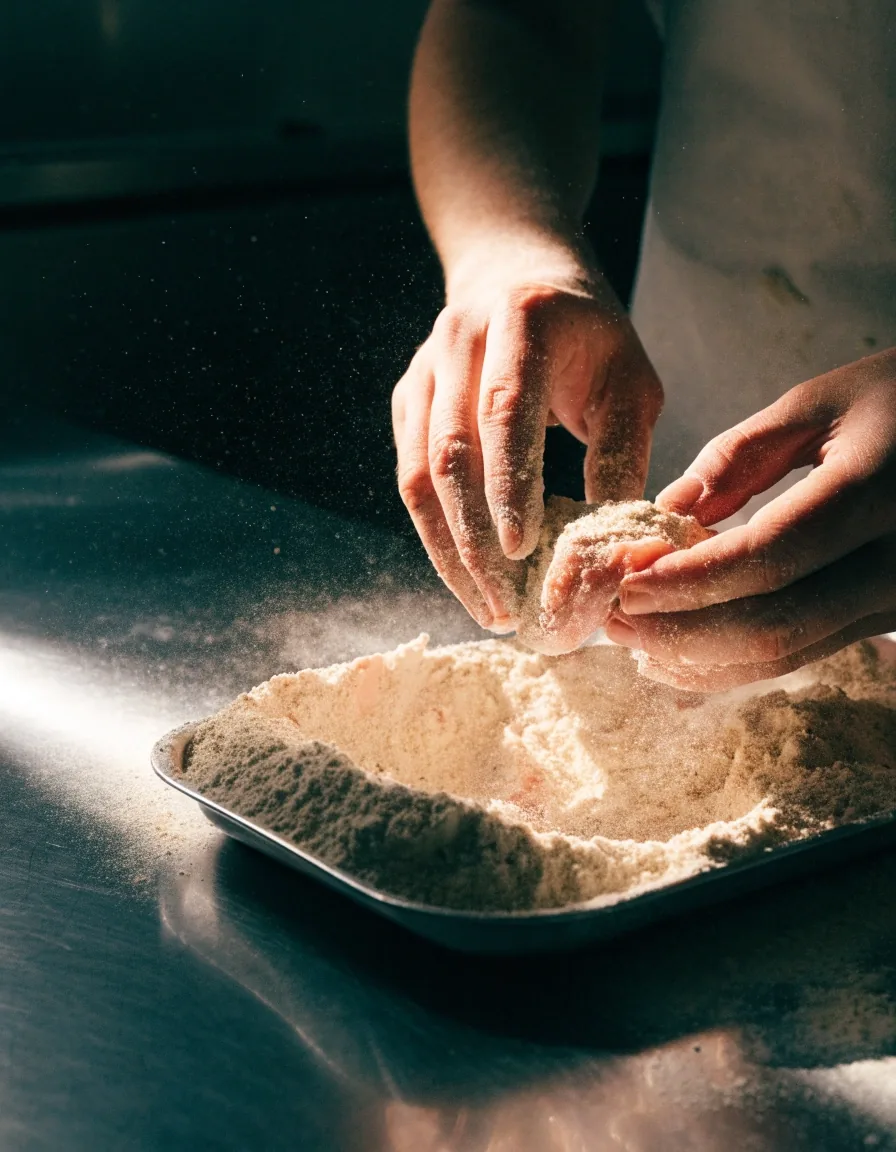
Hands dredging a chicken tender through seasoned flour

Who writes these recipes

Dave teaches the way he was taught on the line

Dave's Hot Chicken Academy started as notes passed between cooks who kept burning the first batch and serving the second. The method in the course is the same one behind these free recipes: season the flour hard, keep the oil honest with a thermometer, and taste at every stage instead of trusting the clock.

Every recipe on this site gets cooked in a normal home kitchen before it is posted, on the same stove most students have. If a step only works in a restaurant, it does not go in.

Questions we get about the free recipes

If something here does not work in your kitchen, that is usually a temperature problem, not a recipe problem. Tell us what happened and we will help you fix it.

Do I need a deep fryer for these recipes?

No. A heavy pot with two inches of oil and a thermometer holds temperature well enough for four servings. A standing fryer helps when you cook for a crowd, but it is not the difference between a good strip and a bad one — oil temperature is.

How long does the buttermilk marinade actually need?

Two hours in the fridge is the useful minimum, overnight is better. Past 24 hours the texture of the meat starts to go soft and chalky, so there is a ceiling too. Salt and acid do the work, and both keep working while it sits.

Why did my crust fall off in the oil?

Usually one of three things: the chicken was still wet when it hit the flour, the dredge was pressed on too thin, or the oil was below 350°F so the crust soaked instead of setting. Let the coated strips rest ten minutes before frying — that alone fixes it most of the time.

Are the free recipes the same as the course recipes?

They share the same method and the same measurements. The course adds the sauces, the full heat-level ladder up to Reaper, sliders and wings, and the troubleshooting videos for when a batch goes wrong. Cook these first — if you like how they turn out, the rest of the course is the same voice.

Can I cook these for a crowd?

Yes, with one change: fry in small batches and hold the finished strips on a rack in a 200°F oven. Piling them on a plate steams the bottom layer and undoes the crust. The course covers the timing for larger groups so nothing sits too long.

Cook one tonight, then decide about the course

The strips recipe is the honest test. If the crust holds and the inside stays juicy, the rest of the method in the course will make sense to you. If it does not, write to us with what happened and we will walk you through it — no purchase needed for that.

Dave's Hot Chicken Academy · 422 Broadway, Nashville, TN 37203 · +1-615-555-0192 · Monday–Friday 9:00 AM – 6:00 PM, Saturday 10:00 AM – 4:00 PM