Dave's Hot Chicken Academy Dave's Hot Chicken Academy
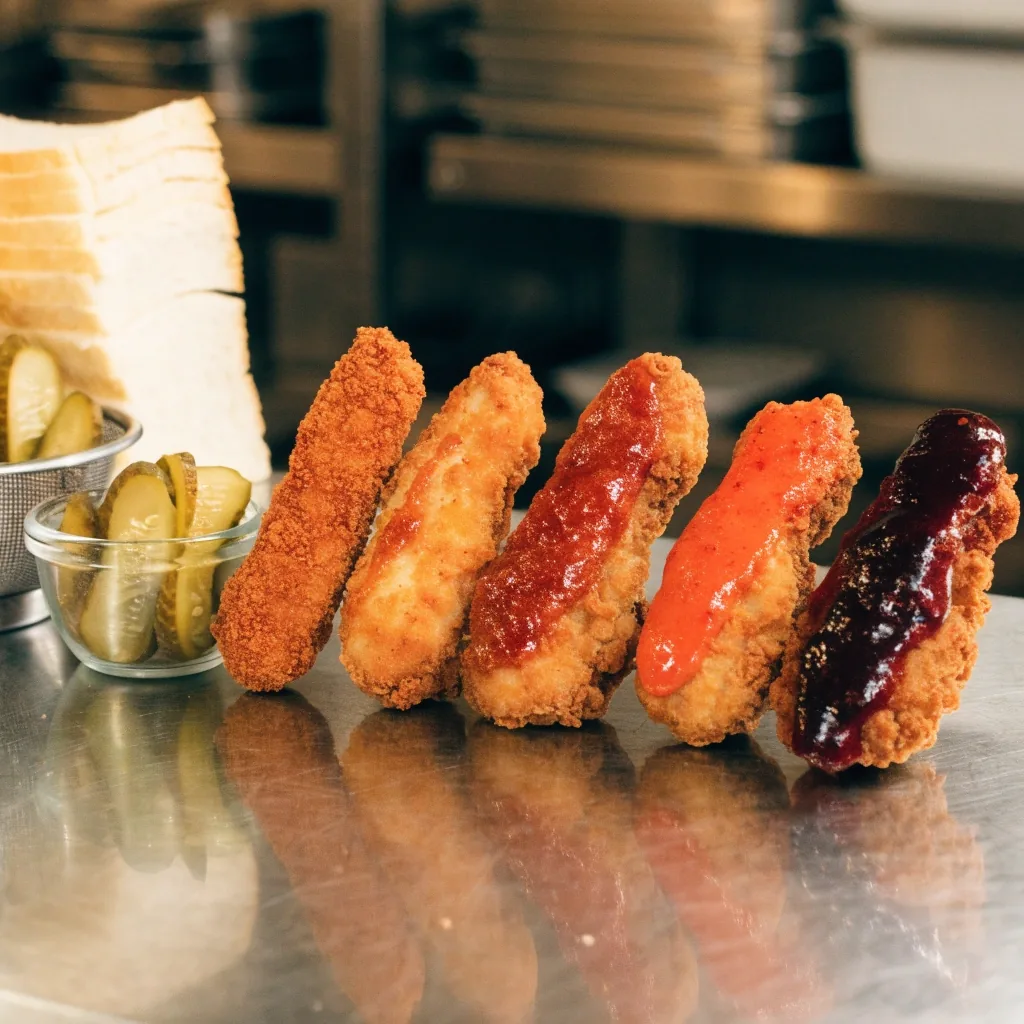
Five hot chicken tenders plated side by side with increasing chili glaze, from a light dusting to a deep orange coating

Heat levels, Mild to Reaper

Pick your heat level

Nashville hot chicken runs from a gentle cayenne brush to a Reaper glaze that ends the conversation. This page walks through every stop between them, so you know what you are ordering, what you are cooking, and where your own tolerance sits before you commit.

Heat is a recipe, not a dare

In Nashville kitchens, the heat level is set before the chicken ever hits the fryer. The cayenne and other chile powders go into the frying oil itself, or into the paste that gets brushed on straight out of the basket, and the amount you use is a real measured decision. That is why the levels below read more like a set of recipes than a leaderboard: each one has a purpose, and none of them exists just to be survived.

For home cooks following Dave's hot chicken style recipes, the useful skill is not endurance — it is control. You want to know how much chile paste a batch of tenders can carry before the crust goes bitter, how the same spice blend behaves differently on wings versus sliders, and how to dial a batch up or down for the people at your table. The scale below is built to answer those questions.

Five pasted strips, five heat levels

Tap a strip to read the full description of what that level tastes like and who it usually suits.

Level one

Mild

Cayenne is present but polite. You taste the brine, the buttermilk, and the crust before the heat arrives, and the finish is warm rather than sharp. This is the level to cook first if you are feeding kids, or if you want to judge your own dredge and fry technique without the spice covering it up. The paste uses a light hand — enough to tint the crust orange, not enough to coat the tongue.

Best for: first batches, shared tables, anyone new to hot chicken.
Level two

Medium

The cayenne and paprika both show up, and you feel the heat build across the whole tender instead of in one spot. It lingers a beat longer on the back of the tongue. Most people who say they like spicy food land here, and it is the level where the chili-mayo and the pickle chips start doing real work, cutting through the oil with acid. If you are testing your own tolerance for the first time, start here rather than at Hot.

Best for: most adults, sliders, wings on a weeknight.

Level three

Hot

This is the classic Nashville level. The glaze is glossy, the color is deep orange-red, and the heat hits on the first bite instead of the third. Your forehead warms up. A good Hot tender should still taste like chicken underneath — if the spice has buried the meat, the paste was overworked or the chile was scorched in the pan. Pair it with a cold, unsweet drink and a slice of white bread to catch the oil.

Best for: people who already order spicy food by default.

Level four

Extra Hot

The chile paste gets brushed on in two passes, and the second pass is what separates this from Hot. The burn arrives fast and stays through the whole tender, and the crust carries a faint bitterness from the extra powder — that bitterness is a signal, not a flaw, telling you the chile is working hard. Your lips tingle. Sweat is normal. If you are cooking for a group, make Extra Hot on its own tray so the oil does not carry over onto the milder pieces.

Best for: experienced spice eaters, one tray per group, never mixed with Mild.

Level five

Reaper

Carolina Reaper powder joins the cayenne here, and the heat lands in stages: a sharp front bite, then a slower burn that sits on the tongue and throat for several minutes. There is a sweetness underneath from the glaze that keeps it from reading as pure pain, but you will want water nearby and you will want to eat slowly. This is the level to order once, deliberately, when you are curious — not the one to hand a friend who has not been warned.

Best for: curiosity, sharing one tender around, a deliberate challenge.

Before you cook

Wear gloves when you handle Reaper powder and keep your hands away from your face. Open a window, and never rub your eyes mid-batch.

Keep the trays apart

Hot chicken oil carries heat. Fry the mild batch first, then work upward, and change or strain the oil between levels if you want clean separation.

Balance the plate

White bread, dill pickle, and something cold and unsweet do more for a hot tender than any sauce. Acid and fa reset your palate between bites.

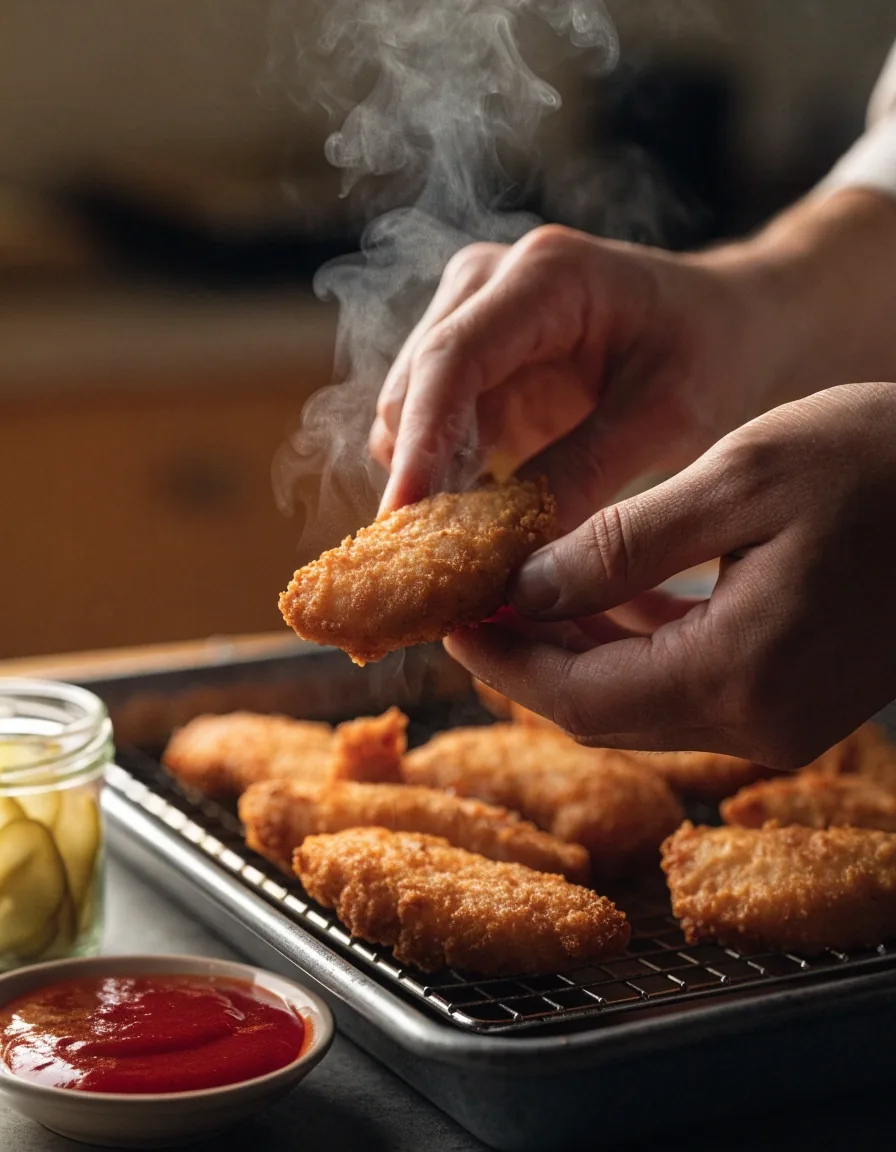
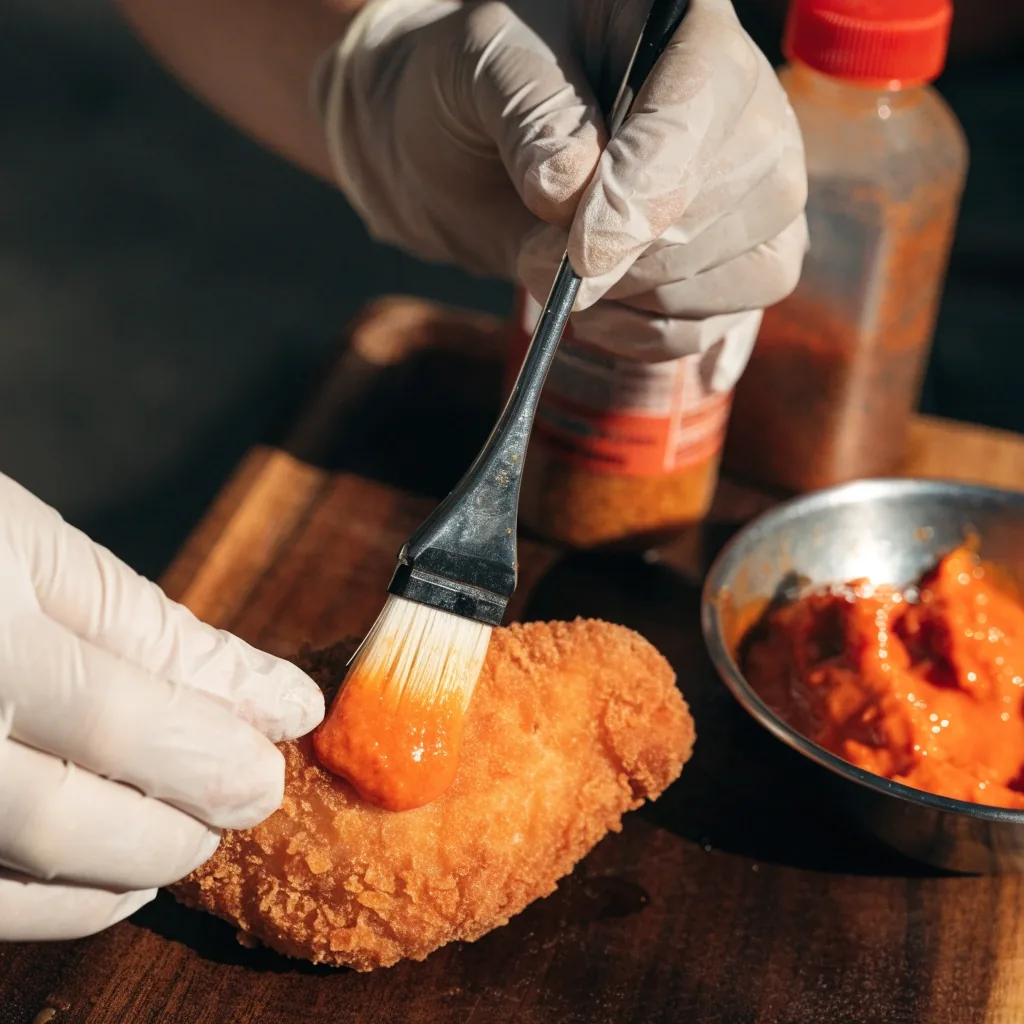
Gloved hands brushing a glossy chili paste onto a fried chicken tender on a dark wooden board

How to build your own tolerance

Nobody starts at Reaper. If you are working up the scale, treat each level as a batch you cook and taste rather than a challenge you survive. Cook the same recipe four times and only change the amount of chile paste, so you know exactly which variable moved.

  • Measure the paste, not the powder. A tablespoon of finished paste behaves very differently from a tablespoon of dry cayenne. Weigh or spoon the paste so your notes mean something next time.
  • Add fa and acid. Buttermilk in the marinade, a spoon of mayo in the sauce, and pickle on the plate all lower the perceived burn without weakening the flavor.
  • Taste warm, not cold. Heat reads stronger once the chicken cools, so judge the level while the tender is still hot out of the basket.
  • Move one level at a time. Going from Medium straight to Extra Hot hides which change actually worked. Give each step two or three cooks before you climb.

Ordering hot chicken in Nashville

If you are visiting the city, the heat levels on a menu are set by the kitchen, not by you, and the names do not always mean the same thing from one counter to the next. A place that calls something Hot may be closer to another kitchen's Extra Hot. Ask before you order, and if you are sharing, order two levels apart rather than three — that spread usually covers a table without leaving anyone stuck.

The same caution applies when you cook at home. A recipe written for one brand of cayenne will taste milder or sharper with another, because the powder varies in strength. Treat any published heat level as a starting point, then adjust on the second batch once you know what your own chile is doing. That habit is what makes daves chicken recipes repeatable in a home kitchen instead of a one-off experiment.

For anyone learning dave hot chicken style cooking from scratch, the goal is a level you can cook again on a Tuesday, not a level you survived once for a photo. Build the muscle memory for the fry and the paste first, then move up the scale when the technique stops wobbling.

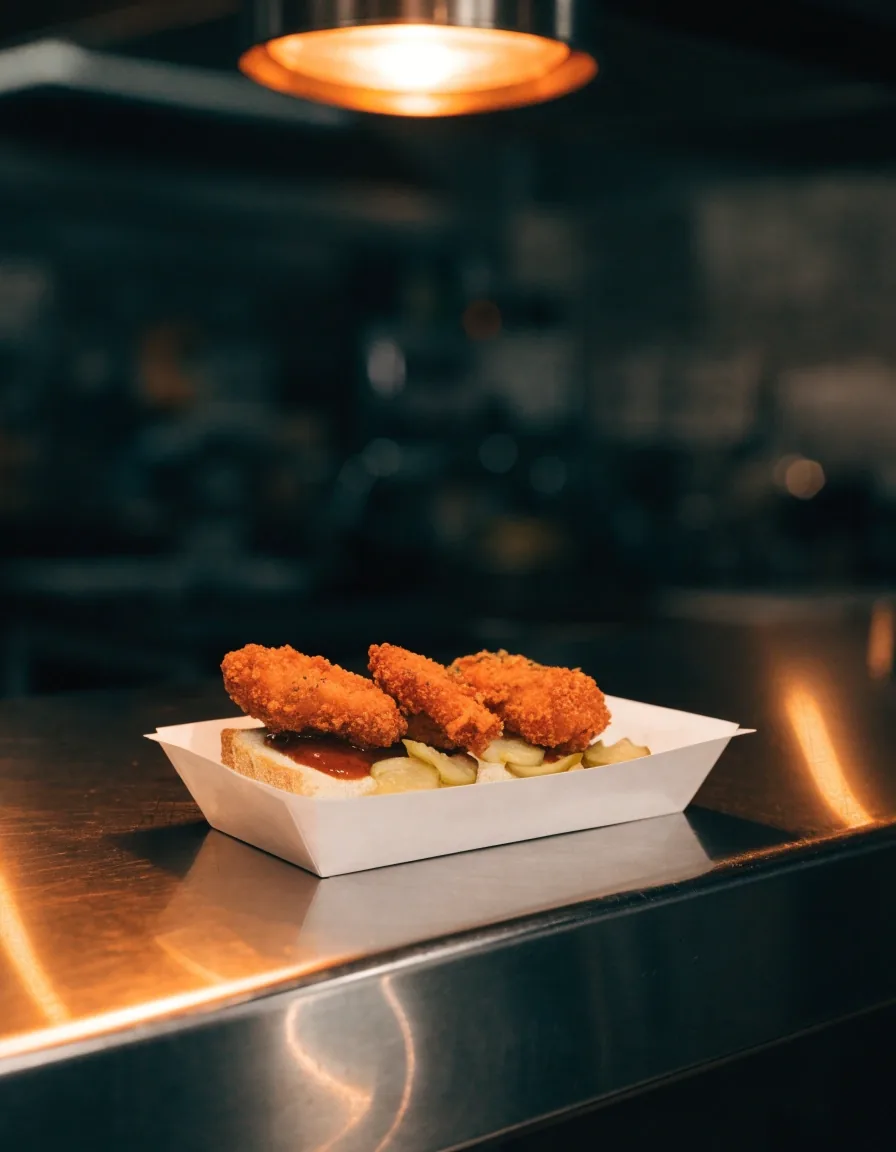
A paper tray of hot chicken tenders on white bread with pickle chips on a stainless steel counter
A chef in a dark apron plating glazed hot chicken tenders in a dim restaurant kitchen

Every level is taught in the course

The course does not stop at one signature heat. Each module walks through the paste, the brine, and the fry at a level you can cook tonight, then shows how to push the same recipe hotter without wrecking the crust. You get the sensation notes above expanded into full recipes, with the measurements and the order of operations spelled out.

Cooking through the levels

You cook Mild, Medium, and Hot in sequence so you can feel where the paste changes the bite. The course shows the same batch split into three trays with three different paste weights.

Building the Reaper glaze

Reaper powder is a different animal from cayenne. This module covers how to blend it with oil and sugar so the heat lands in stages instead of all at once, and how to clean up safely afterward.

Balancing a mixed table

Cooking for people who want different levels means staging the fry and the paste so nobody gets a surprise. This module covers the order to cook in and how to keep the trays honest.

Questions about heat levels

Which heat level should I start at?

Start at Mild or Medium, even if you already eat spicy food. The first cook is about getting the crust and the fry right; the paste is easy to add on a later batch and hard to take out of this one.

Is Reaper safe to cook with at home?

It is safe when you handle the powder with respect. Gloves, ventilation, and keeping your hands away from your face matter more here than at any other level. The course covers the cleanup step by step, including what to do if you get powder on your skin.

Why does the same level taste different at two restaurants?

Chile powders vary in strength from brand to brand and season to season, and every kitchen writes its own paste ratio. A level name is a starting point, not a standard unit. Taste before you commit, and adjust your own recipe notes as you go.

Do wings and tenders need different levels?

Yes. Wings have more skin and less meat per bite, so the same paste reads hotter on a wing than on a tender. If you are making both, drop the wings one level below the tenders or brush them more lightly.

Where can I get help choosing a level?

Write to [email protected] or call +1-615-555-0192 during business hours and tell us what you usually cook. We will point you at a level and the matching module. You can also stop by 422 Broadway, Nashville, TN 37203.

Start at the level you can cook twice in one week. The rest of the scale will still be there when your technique catches up.

From the Dave's Hot Chicken Academy heat guide